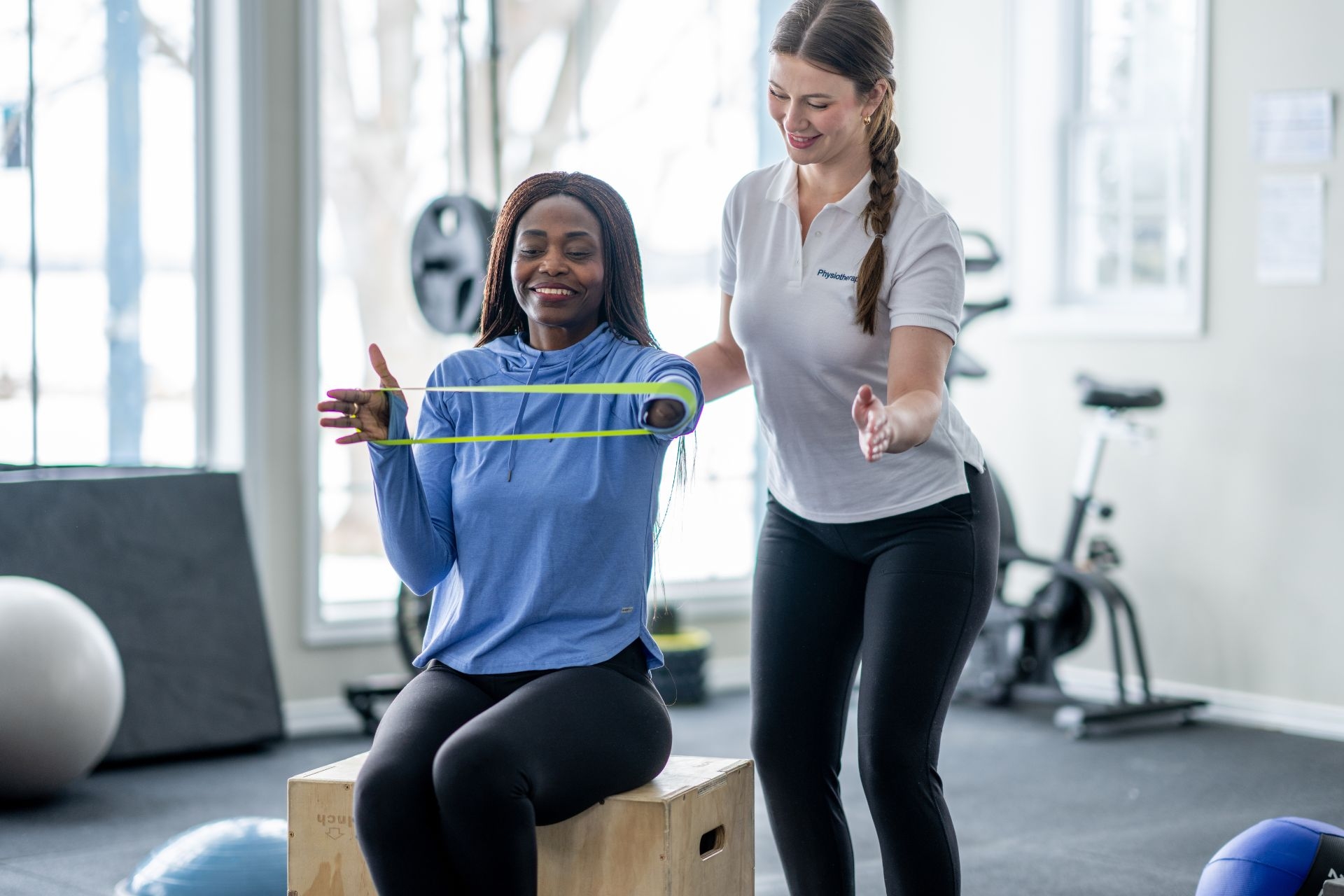
Resistance band workouts offer several benefits for individuals looking to improve their fitness. Firstly, they provide a convenient and portable option for strength training, as the bands can be easily carried and used anywhere. Additionally, resistance bands allow for a wide range of exercises that target different muscle groups, making them versatile for a full-body workout. They also provide constant tension throughout the movement, which can help improve muscle endurance and stability. Furthermore, resistance bands are suitable for all fitness levels, as they come in various resistance levels, allowing individuals to gradually increase the intensity as they progress. Overall, resistance band workouts can help improve strength, flexibility, and overall fitness.
When comparing resistance band workouts to traditional weightlifting, there are some key differences to consider. While weightlifting typically involves the use of free weights or machines, resistance bands rely on elastic resistance. This difference in resistance type can impact the muscle activation and recruitment patterns. Resistance bands provide a variable resistance throughout the movement, challenging the muscles at different points in the range of motion. On the other hand, traditional weightlifting often involves a constant resistance. Additionally, resistance bands can be more joint-friendly, as they reduce the impact and stress on the joints compared to heavy weights. However, it's important to note that both resistance band workouts and traditional weightlifting have their own benefits and can be incorporated into a well-rounded fitness routine.
The term "collateral damage" is typically a military term, one that denotes unintended damage to an area around a target. But as it applies to resistance training, collateral damage can be a good thing. The post Collateral Vascular Damage: A Good or Bad Thing For Building Muscle? appeared first on National Federation of Professional Trainers.
Posted by on 2024-01-16
As we step into 2024, the landscape of health and fitness continues to evolve, driven by a growing awareness of holistic well-being and technological advancements.… The post Top 2024 Health and Fitness Trends: Embracing Holistic Wellness appeared first on National Federation of Professional Trainers.
Posted by on 2024-01-12
Effective recovery strategies can significantly impact your personal training clients’ progress and overall satisfaction with their training program. Your clients rely on you as a… The post Recovery 101 for New Personal Trainers appeared first on National Federation of Professional Trainers.

Posted by on 2024-01-08
What has helped me to be successful as a coach from the beginning of my 20+ years career as a personal trainer, despite inexperience or… The post Coaching Body Awareness for Personal Training Clients: A Secret to Success appeared first on National Federation of Professional Trainers.

Posted by on 2024-01-06
Yes, resistance band workouts can be effective for muscle toning and definition. By providing resistance throughout the movement, resistance bands help stimulate muscle growth and development. They can target specific muscle groups, allowing individuals to focus on areas they want to tone and define. For example, exercises like bicep curls, tricep extensions, and lateral raises with resistance bands can help sculpt and define the upper body muscles. Additionally, resistance bands can be used for exercises that engage multiple muscle groups simultaneously, such as squats and lunges, which can contribute to overall muscle toning and definition.

Resistance band workouts are suitable for all fitness levels. This is because resistance bands come in different levels of resistance, ranging from light to heavy. Beginners can start with lighter resistance bands and gradually progress to heavier ones as they build strength and endurance. Additionally, resistance bands allow for modifications and adjustments in the exercises to accommodate different fitness levels. For example, individuals with limited mobility or strength can perform exercises with less tension or use assistance from a stable surface. Conversely, advanced fitness enthusiasts can challenge themselves by using heavier resistance bands or incorporating more complex movements. Overall, resistance band workouts can be tailored to suit individual fitness levels and goals.
There are several effective resistance band exercises for targeting the upper body. One example is the resistance band bicep curl, where the band is held with palms facing up and the elbows are flexed to bring the hands towards the shoulders. This exercise targets the biceps muscles. Another exercise is the resistance band tricep extension, where the band is anchored behind the body and the elbows are extended to straighten the arms. This exercise targets the triceps muscles. Additionally, the resistance band lateral raise can be performed by standing on the band and raising the arms out to the sides, targeting the shoulder muscles. These exercises, along with others like resistance band rows and chest presses, can effectively engage and strengthen the upper body muscles.

Resistance bands can be used to improve flexibility and mobility. They can be incorporated into stretching routines to provide added resistance and deepen the stretch. For example, using a resistance band for hamstring stretches can help increase flexibility in the back of the legs. Resistance bands can also be used for mobility exercises, such as shoulder dislocations, where the band is held with a wide grip and the arms are raised overhead and behind the body. This exercise helps improve shoulder mobility and flexibility. Additionally, resistance bands can be used for dynamic warm-up exercises, helping to activate and prepare the muscles for movement. By incorporating resistance bands into a regular stretching and mobility routine, individuals can enhance their overall flexibility and range of motion.
When using resistance bands, it is important to follow safety precautions and guidelines. Firstly, it is recommended to inspect the bands for any signs of wear or damage before each use, as worn-out bands may break during exercise. It is also important to choose the appropriate resistance level for your fitness level and gradually progress as you get stronger. When performing exercises, it is crucial to maintain proper form and alignment to avoid injury. This includes keeping a neutral spine, engaging the core, and using controlled movements. Additionally, it is important to start with a proper warm-up to prepare the muscles for exercise and prevent strains or pulls. Lastly, it is advisable to consult with a fitness professional or seek guidance from reputable sources to ensure proper technique and safety when using resistance bands.

Yes, there are specialized programs available for individuals who are looking to improve their flexibility. These programs are designed to target specific muscle groups and increase range of motion through a variety of exercises and stretches. Some programs may focus on specific activities or sports that require a high level of flexibility, such as dance or gymnastics. These programs often include a combination of static and dynamic stretching, as well as exercises that improve strength and stability. Additionally, some programs may incorporate techniques such as yoga or Pilates, which are known for their ability to improve flexibility. Overall, these specialized programs provide individuals with a structured and targeted approach to improving their flexibility and can be tailored to meet the specific needs and goals of each individual.
Personal training can offer numerous benefits for individuals with ADHD or autism. One of the main advantages is the structured and individualized approach that personal trainers can provide. By tailoring the exercise program to the specific needs and abilities of the individual, personal trainers can help improve focus, attention, and self-regulation skills. Additionally, personal training sessions can serve as a safe and supportive environment for individuals with ADHD or autism to learn and practice social skills, such as following instructions, taking turns, and working in a group setting. The physical activity involved in personal training can also help reduce hyperactivity and impulsivity, while promoting overall physical health and well-being. Furthermore, personal trainers can incorporate sensory integration techniques and exercises that can be particularly beneficial for individuals with autism, helping them improve body awareness, coordination, and sensory processing abilities. Overall, personal training can play a crucial role in enhancing the physical, cognitive, and social functioning of individuals with ADHD or autism.
Personal training can provide numerous benefits for individuals with chronic pain. Firstly, a personal trainer who specializes in working with clients with chronic pain can develop a tailored exercise program that focuses on improving strength, flexibility, and mobility, which are crucial for managing chronic pain. Additionally, personal training sessions can help individuals with chronic pain learn proper body mechanics and movement patterns to prevent further injury and reduce pain. The guidance and support provided by a personal trainer can also help individuals with chronic pain stay motivated and accountable to their exercise routine, leading to long-term pain management and improved overall well-being. Furthermore, personal trainers can provide education on pain management techniques, such as relaxation exercises and stress reduction strategies, which can complement the exercise program and further alleviate chronic pain symptoms. Overall, personal training can be a valuable tool for individuals with chronic pain to improve their physical fitness, manage pain, and enhance their quality of life.
Yes, there are personalized training options available for individuals with joint pain or arthritis. These options cater specifically to the needs and limitations of individuals with these conditions, providing exercises and techniques that are gentle on the joints and help to alleviate pain. Personal trainers and fitness professionals who specialize in working with clients with joint pain or arthritis can create customized exercise programs that focus on improving flexibility, strength, and range of motion while minimizing stress on the joints. These programs may include low-impact exercises such as swimming, cycling, or yoga, as well as targeted strength training exercises that help to support and stabilize the joints. Additionally, trainers may incorporate techniques such as heat therapy, cold therapy, or hydrotherapy to further reduce pain and inflammation. By tailoring the training program to the individual's specific needs and abilities, personalized training options can help individuals with joint pain or arthritis to stay active, improve their overall fitness, and manage their condition effectively.